

From Theater Openings to Digital Offers: Exploring Entertainment Promotions

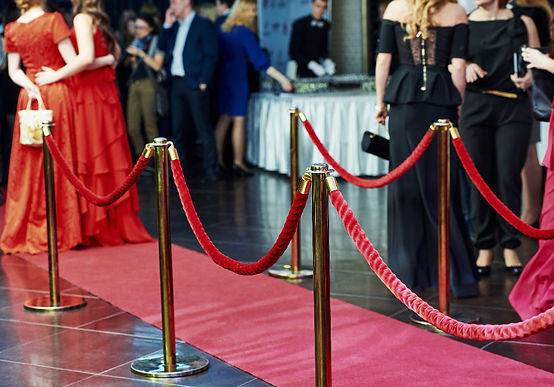
A new film used to have a very obvious arrival point. Posters appeared, reviews landed, cinemas added showtimes, and the opening weekend carried most of the pressure. If people showed up, the campaign had done its job. If they did not, there was not much time to change the story. That timetable has loosened considerably.
Films now get several moments in the spotlight: the first trailer, the theatrical release, digital rental, streaming and sometimes another wave of attention when a scene starts circulating online. Games, music and other digital entertainment have gone even further. Instead of one launch, there can be a steady sequence of new offers, seasonal drops and updates designed to bring people back.
Entertainment launches now last much longer
Movie studios still like an opening weekend, but the campaign around a release can continue for months. A big title may begin with a teaser, then a full trailer, then cast interviews, branded products and special screenings before the film has even reached cinemas.

After that, the same title can be promoted all over again when it arrives on a streaming platform. Gaming has made this kind of extended launch even more normal. A game can technically be released while still adding new modes, cosmetics, events, and limited-time offers several weeks later.
Music works in a similar way, with singles appearing before an album and alternate versions keeping attention around the release afterwards. The entertainment industry has become much better at finding reasons to say, “look at this again.”
Digital platforms can change direction quickly
The biggest difference is speed. A cinema promotion is largely decided in advance. Posters are printed, trailers are booked, and outdoor advertising is already in place. A digital platform can see what is getting attention and adjust almost immediately. That makes online promotions much more fluid. Gaming is a good example because there is no fixed “season” when everything new has to arrive.
Platforms can release something in September, follow with another launch in October, and then change the offer again in November.
Anyone interested in what arrived on the market this fall can see that same pattern in the sweepstakes space, where new sites and promotions have continued appearing throughout the season rather than around one single launch date.
That constant movement changes how people discover entertainment. A new release may be pushed heavily for a week, then replaced by something else before most people have even noticed it.
The homepage became the new marquee
There used to be something physical about promotion. A cinema marquee told you what was playing. A record-shop window showed the albums somebody wanted you to notice. A game shop stacked the new releases near the entrance. Now that space is digital.

The front page of a streaming service, the first row in a game launcher, and the recommendation section inside an app all serve the same basic purpose.
They decide what gets seen first. That makes placement part of the promotion itself. Something can be technically available without feeling visible at all. Another title can dominate the screen for a week and suddenly seem unavoidable. Digital entertainment companies therefore spend a lot of time managing attention after the release, not just before it.
The launch never really ends anymore
The old idea of opening weekend has not disappeared, but it is no longer enough on its own. Films return through streaming. Games return through updates. Music returns through remixes, live performances and short clips. Online platforms can refresh offers without rebuilding an entire campaign from scratch.
What has changed most is not the desire to make a release feel important. That part is exactly the same. The difference is how often entertainment can now be introduced as “new” again.


