

Kill Bill: Vol. 1 Style Analysis | A Stylish and Visually Striking Revenge Story


A Revenge Film That Turns Violence into Visual Art
I've seen Kill Bill: Vol. 1 more times than I'd like to admit, and the opening still gets me. A woman in a bloodied wedding dress on the floor of a chapel, a hand wiping her face, and Nancy Sinatra singing "Bang Bang" as if nothing is wrong. Within about a minute you know what sort of film you're in.
It's Quentin Tarantino's 2003 revenge picture, with Uma Thurman as the Bride, and people tend to remember it for how it looks and sounds more than for what happens. Fair enough. But I came back to it with one nagging question: does all that style make the story better, or does it sometimes bury it? Here's a Kill Bill: Vol. 1 Style Analysis for you!
A Simple Revenge Story Told in an Unusual Way
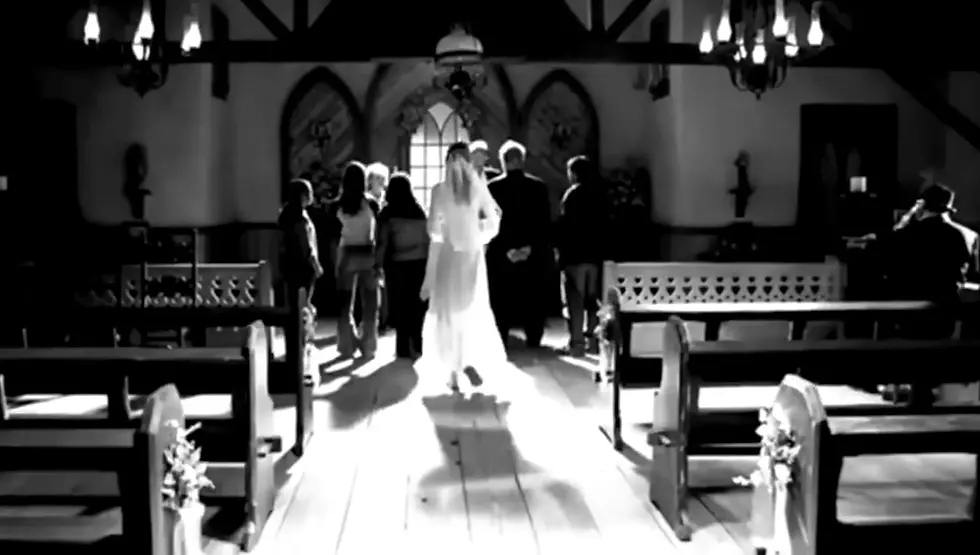
The plot is thin on purpose. The Bride is shot at her wedding rehearsal, survives, wakes from a coma years later, and goes after the people who did it. If you described it to a friend, it would take about ten seconds.
The way it's told is what makes it interesting. It's cut into chapters and jumbled up, so we meet her in a hospital bed before we know why she's there, and the picture fills in a piece at a time. A simple premise leaves Tarantino free to switch genres whenever he fancies, and he does.
I'll admit the flip side. We learn very little about why most of these people did what they did, at least in this half, so some of the emotion stays at a distance. For me it's a trade-off I can live with, because the Bride's single-mindedness carries a lot. Check out Totenfrau Staffel 2, Woman of the Dead Season 2 Review
Uma Thurman Makes the Bride More Than an Action Hero
I don't think the film works without Thurman. Take the hospital scene, where she's just woken up and has to coax one toe into moving. It could have been a throwaway beat. Instead it's one of the tensest bits of the film, and almost nobody says a word.
Over the next hour she goes from helpless to controlled, and you read it in the way she stands and moves more than in anything she says. Thurman has cited Clint Eastwood's Blondie as one inspiration, and you can see the watchful, economical presence in her.
All the swords and blood could easily have tipped the film into cartoon territory. She keeps it from doing that by playing every scene dead straight. Read Send Help 2026 Movie Review: The Wet Dream of a Narcissistic Sociopath
Fight Choreography, Colour, and the Art of Action

The House of Blue Leaves is the centrepiece. Yuen Woo-ping was the film's martial arts advisor and choreographer, and you can tell: the fights are easy to follow, the wide shots let you see everything, and then there are the gaps. A stare across a room. A figure in silhouette against a blue wall. The film is happy to wait before the next burst of violence, and that waiting makes the violence hit harder.

Part of the sequence turns black and white. By most accounts, that was to avoid an NC-17 rating, which is a funny reason for something that looks so deliberate. It does take some of the edge off the gore, though it never dulls the energy.
Is it ever just spectacle? Now and then, yes. If severed limbs make you wince, the choreography won't change your mind. I find it so exaggerated that it plays more like a comic strip than a war crime, but I understand why some people don't. You might like The Amateur 2025 Movie Review: Mr. Robot Mails It In

The Film's Visual Language and Cinematic Influences
You can spot the influences all over it. Samurai films, Hong Kong martial arts movies, spaghetti westerns, grindhouse, and anime are all in there, and Tarantino has never pretended otherwise.

Lady Snowblood (1973) is the one worth looking up. Toshiya Fujita directed it, Meiko Kaji stars, and it follows a woman raised from birth to take revenge on the people who destroyed her family. It's told out of order, and it has a famous scene in the snow. Kill Bill reuses Kaji's theme, "Shura no hana" (The Flower of Carnage), so the debt is hardly hidden.
O-Ren Ishii's backstory is an anime sequence made by Production I.G and directed by Kazuto Nakazawa. I love that choice. Animation lets the film show something truly grim happening to a child without it feeling unbearable, and the shift in style at that moment is a lovely surprise. Overall it feels like one filmmaker's taste, not a pile of references.
Kill Bill: Vol. 1 Style Analysis, Costume Design: Why the Bride's Look Became Iconic
Then there's the tracksuit. Yellow with black stripes, and almost everyone recognises it, partly because it's modelled on the one Bruce Lee wears in Game of Death. Catherine Marie Thomas and Kumiko Ogawa are credited with the film's costumes, and the pieces often work in two ways, saying something about the character and tipping a hat to the cinema they came from.
It's practical too. Against dark rooms, blue lighting and all that red, the yellow lets you pick the Bride out of any crowd, so you never lose her mid-fight. The suit has no neckline and covers nearly everything, which tells you she's there to fight. The Onitsuka Tiger Mexico 66 trainers go with it.
People have kept the look alive in fan fashion and cosplay. A Kill Bill leather jacket is one of the ways it's been reinterpreted, although it's an inspired piece, not the costume she actually wears. The tracksuit works because you read character, movement, and a bit of film history from it before anyone speaks.
Supporting Characters and the Film's Distinctive Tone
The villains are each distinct. O-Ren Ishii (Lucy Liu) is calm and formal, in a kimono that one analysis reads as a claim on a tradition she was excluded from by birth. Gogo Yubari (Chiaki Kuriyama) wears a school uniform with Nike Blazers and is frightening because you have no idea what she'll do next. Elle Driver (Daryl Hannah) walks through the hospital in a white suit, whistling, and it's the calm that is unsettling.
Because they're all so different, every fight feels like walking into another film. I'd say that's a large part of the fun.
Does Style Sometimes Overshadow the Story?
Yes, sometimes. The plot is simple, and some emotional moments get hardly any room. If you want deep characters, the references and the blood can leave you feeling at arm's length.
On the other hand, there's a lot of craft here: a confident structure, strong performances, and a look no one else has. And remember, this is only half the story. It ends on a cliffhanger, so judging it as a finished film is a bit unfair.
Final Verdict: A Distinctive Piece of Genre Filmmaking
For me the highlights are Thurman, the choreography, the way scenes are composed, the mix of influences and a costume that's now part of film history. Critics largely agreed: it sits at around 85 per cent on Rotten Tomatoes, and Roger Ebert gave it four stars.
Do style and substance fight each other? Not much. The style is the point. If you can stomach the violence, it's well worth your time, and if you can't, it will probably feel like too much. Either way, it takes the oldest revenge-movie ingredients and makes them feel brand new.


