.jpg)

Gen Z vs. Millennial Viewing Habits: We’re Not the Same
- Sakshi D

- Jul 16
- 5 min read

Why my generation watches completely differently (and we’re judging you for it)
Two months ago, my older coworker asked if I wanted to “catch a movie this weekend.” She meant theaters. Opening night. Committed plans three days in advance.
I said yes because I’m polite, then immediately regretted it. I don’t plan my viewing like that anymore. None of my friends do. We watch when we want, how we want, on whatever screen is closest.
The idea of scheduling entertainment around theater times feels weirdly ancient.
She’s 34. I’m 22. Those 12 years created a completely different species of viewers. Here is a comparison of Gen Z vs. Millennial Viewing Habits for your reading pleasure.
Gen Z vs. Millennial Viewing Habits
Let's check out what separates our viewing patterns from each other.
How We Watch Things
Millennials still treat streaming like appointment television. They’ll say, “Let’s watch the new season when it drops” and actually coordinate schedules. They plan watch parties. They wait for friends to catch up on episodes.
We don’t do that.
I watch three episodes of something at 2 AM on my phone, two more on my laptop during lunch, and finish the season on the TV when my roommate’s gone. My friends watch at completely different times. We’ll text reactions as we go. Nobody waits for anyone.
Screens don’t matter to us as they matter to them.
I’ve watched entire movies on my phone and felt zero guilt. Millennials act like this is some kind of crime against cinema. They’ll say, “You have to watch this on a big screen,” like screen size affects the actual story.
The story is the story. I don’t need 50 inches of display to care about characters.
The Theater Situation Gets Weird
Millennials still go to theaters regularly: they plan it, make an event out of it, and even buy tickets in advance.
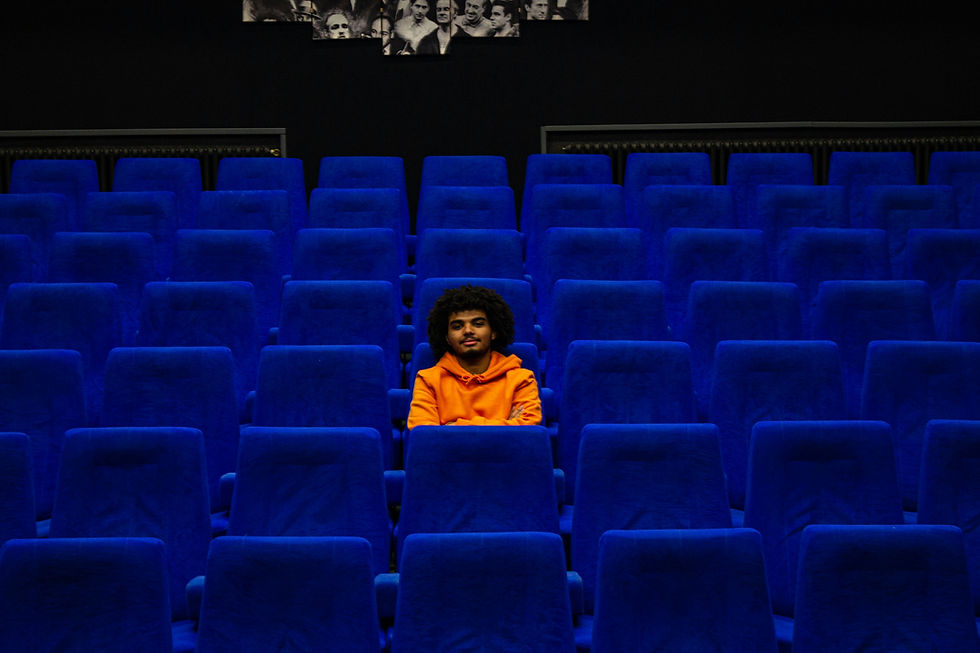
My friends and I go maybe three times a year. Big releases we’re actually hyped for. Everything else can wait. Why would I spend $15 + snacks + gas + two hours of commitment when I can watch 10 things at home for the cost of my Netflix subscription?
They say theaters are about “the experience.” We say experiences happen everywhere. I’ve had better viewing experiences on my couch with good snacks and the ability to pause than in theaters with strangers who won’t shut up.
When I do go to theaters, I’m checking my phone. Not constantly, but if something’s boring or I need to look something up, I’m pulling it out. Millennials lose their minds over this. “You’re ruining the sanctity of cinema!”
Cinema doesn’t have sanctity. It has overpriced popcorn and sticky floors. There, I said it!

Binge Watching Means Different Things
Millennials binge-watch a show over a weekend. Eight episodes across three days. They call this binging.

We finish entire seasons in 24 hours. I’ve done full series runs in a week. My record is all of Supernatural in seven days while working full-time. That’s binging.
They pace themselves (maybe we can call this appointment TV). We consume content like we’re trying to finish before it gets spoiled on TikTok, which we are, because spoilers are everywhere now, and waiting means risking the entire plot getting ruined by some random video on my feed.
Social Media Changed Everything
Millennials watch, then discuss. They’ll finish something and talk about it with friends later. Maybe post about it on Facebook.
We discuss while watching. Every major plot twist gets an immediate story post. Group chats blow up during big reveals. I’ve had full conversations about episodes while currently watching them. We don’t separate viewing from reacting.
They think this ruins immersion. We think immersion includes community reaction. Half the fun of watching is seeing everyone else freak out simultaneously.
My generation treats content as social currency.
You watch things so you can participate in conversations. Falling behind means missing references, memes, and discourse. Millennials watch because they’re genuinely interested. We watch because FOMO is real and brutal.
Attention Spans (Yeah, We’re Going There)
Millennials can watch two-hour movies with full attention. They’ll sit through slow burns and patient storytelling.
Most of my friends need second screens. We’re watching something while scrolling, texting, and playing phone games. True crime documentaries are perfect for this. Horror movies too, if they’re not actually scary.
This drives older viewers insane, but here’s the thing: we still follow the plot. Our brains process multiple inputs fine. I can tell you everything that happened in a movie I watched while also checking Instagram every five minutes.
We also abandon content faster.
Three episodes to hook us, maybe four if someone we trust recommended it. Millennials will push through entire seasons, hoping it gets better. We have too many options to waste time on mid content.
Suggested Read: The Rise of Psychological Horror in Modern Cinema
The Subscription Situation
Millennials maintain like two or three streaming services consistently. They budget for them. Keep them long-term.
We rotate subscriptions monthly. Netflix for a month, binge everything we want, cancel it. Pick up HBO Max next month. Download Disney+ when a new Marvel drops. We’re not loyal to platforms.
They see this as exhausting. We see their method as wasting money on services you’re not actively using.
If you never want to miss a new release on OTT platforms, do check out our streaming guide for the latest in OTT and theater releases.
Quality vs. Quantity
Millennials curate watchlists carefully. They research, read reviews, and pick quality over quantity.
We scroll until something looks interesting and commit for three episodes max. Algorithms feed us content. We trust these more than reviews from critics who are probably 40 and think Goodfellas is peak cinema.
They rewatch favorite shows and movies constantly. We rarely rewatch anything. Too much new content exists. Rewatching feels like wasting time when thousands of unwatched options are sitting right there.
The exception is comfort shows. I’ve seen Teen Wolf 47 times. But active viewing time goes to new stuff.
What This Actually Means
When looking at Gen Z vs. Millennial viewing habits, neither way is wrong, but they’re fundamentally different approaches. Millennials treat viewing as intentional activity. We treat it as constant background noise that occasionally demands full attention.
They built habits around DVD releases and TV schedules. We built habits around infinite content and algorithm recommendations. Different foundational experiences created different viewing patterns.
The gap will probably widen. Gen Alpha is growing up with even more content, shorter formats, and more platforms. TikTok trained them on 60-second narratives. Their viewing habits will make ours look positively millennial.
But honestly? I like how we watch. Freedom to consume content however I want, whenever I want, on whatever screen is available feels correct. Scheduled viewing and theater worship feels like nostalgia for limitations that don’t need to exist anymore.
Your generation can keep the “cinema experience.” We’re fine over here with our phones, our chaos, and our ability to pause when the plot gets confusing.
How do you watch stuff? Are you theater-loyal or streaming chaos? Tell me so I can judge your generation accordingly.


